Roof
Orientation and condition
Roof shape, age, shade and structural condition can affect layout and whether repairs should come first.
Questions for a providerSolar photovoltaic
Photovoltaic panels turn daylight into electricity. The right system depends on the building, your energy use, local rules and a careful assessment—not a one-size-fits-all promise.
The essentials
Solar cells produce direct-current electricity when light reaches them. An inverter converts that electricity for common household use. A system may also include monitoring, protective equipment and, when appropriate, battery storage.
Panels do not make the home independent of the grid in every condition. Production varies through the day and across seasons; grid connection, storage and local policy shape how energy is used.
Read common solar misconceptions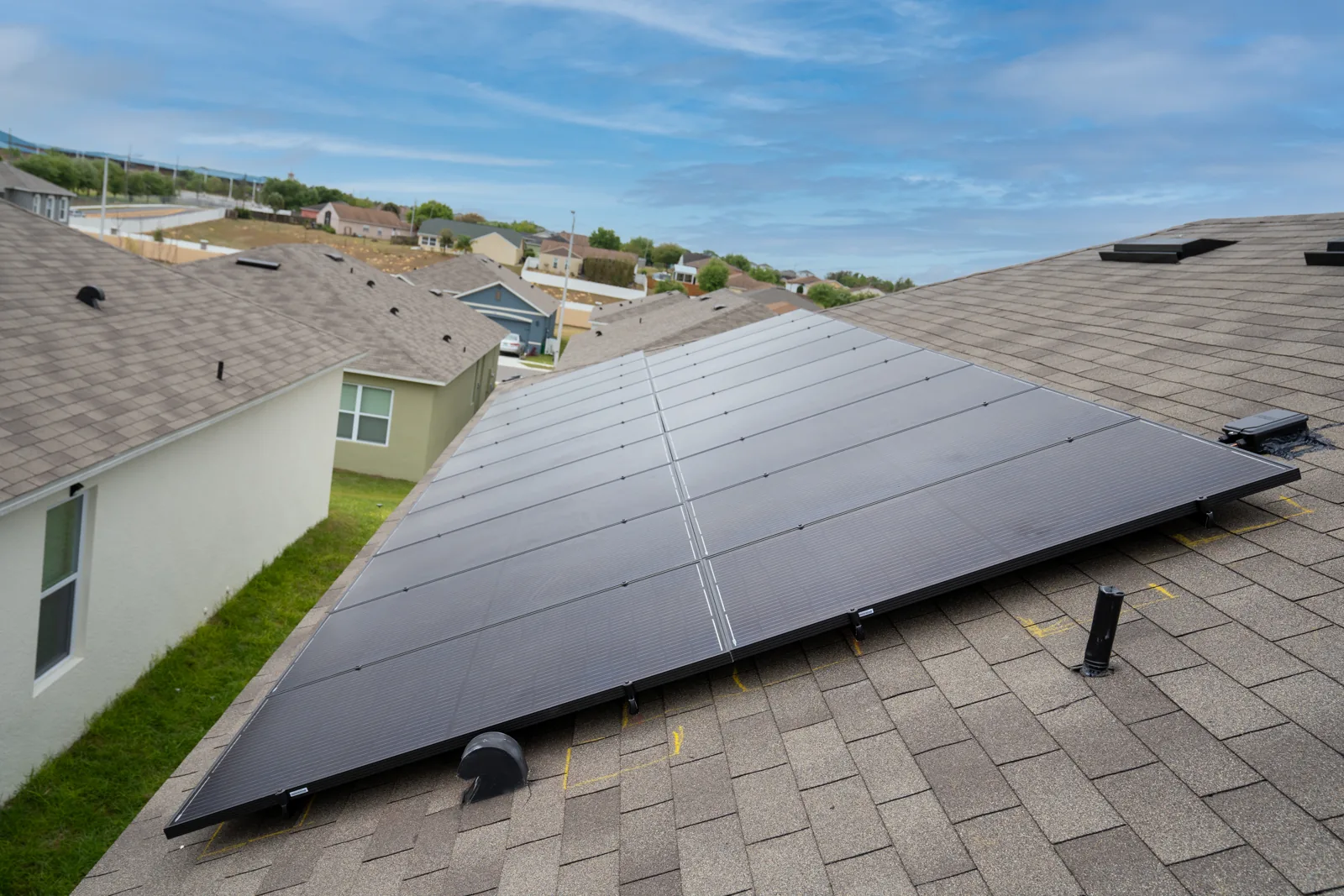
Before comparing systems
Roof
Roof shape, age, shade and structural condition can affect layout and whether repairs should come first.
Questions for a providerUse
Compare usage across seasons and times of day. Household routines influence how generated electricity may be used.
See an illustrative modelPlace
Permits, utility interconnection, export arrangements and incentives vary by location and can change.
Read the finance guide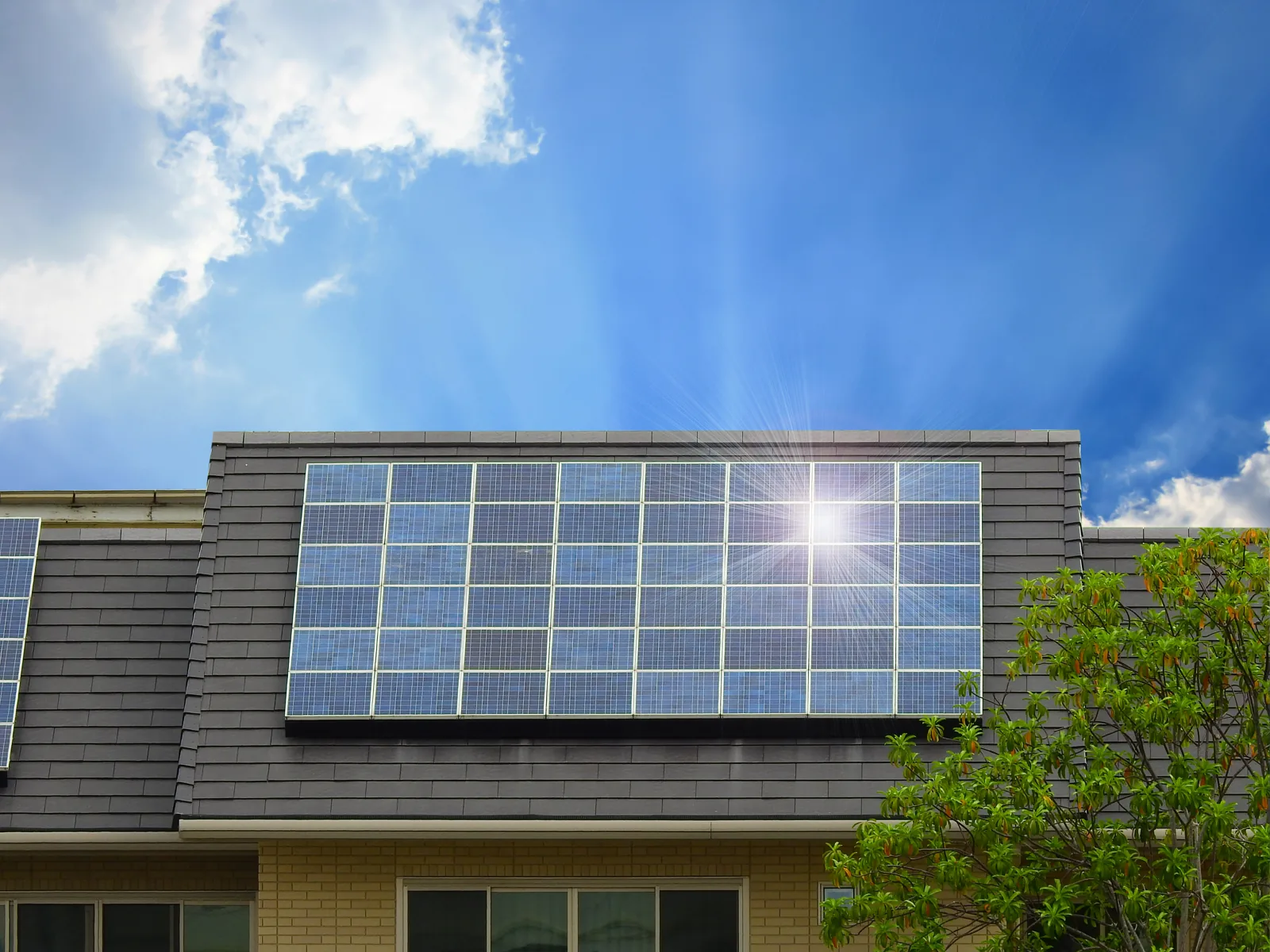
A good conversation starts with evidence
A site-specific proposal should explain system size, expected production range, equipment, warranties, installation scope, exclusions and how local utility rules were considered. Ask for time to review the details and compare like with like.
How to compare providersA fictional demonstration
Browse efficiency ideas, practical guides and an explicitly illustrative calculator.